Peer Support: Shared Experience, Stronger Connections
April 16, 2026
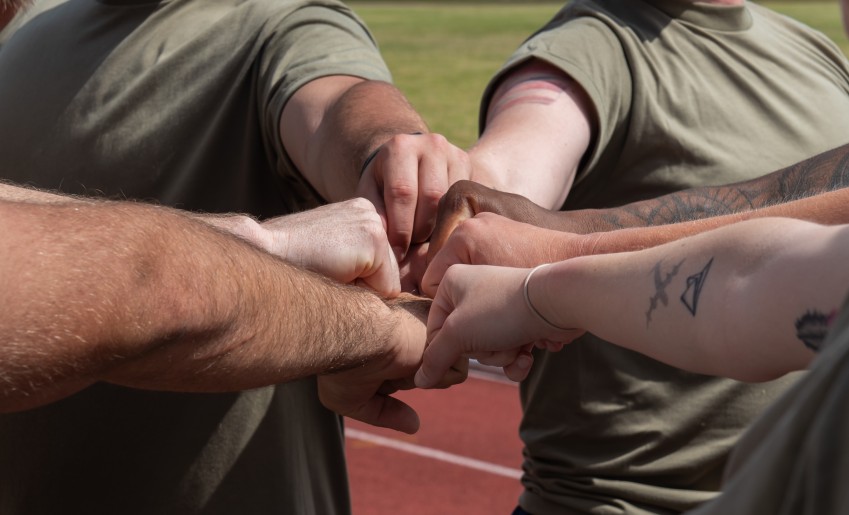
At Returning Veterans Project, we believe healing is built on connection. For many Veterans, one of the most powerful connections is with someone who truly understands, someone who has “been there.” That connection is the foundation of peer support.
What Is a Certified Veteran Peer?
A Certified Veteran Peer Support Specialist is a trained Veteran who uses their lived experience with military service, mental health, or recovery to support others on a similar path.
Peers are not licensed therapists.
They are individuals who provide mutual, empathetic support based on shared experiences, with a focus on empowerment and recovery. Peer relationships are unique. They are grounded in trust, authenticity, and mutual understanding and free from hierarchy. A peer offers encouragement, perspective, and hope.
What Do Peer Support Specialists Do?
Veteran Peer Support Specialists provide practical, day-to-day support, including:
• Offering encouragement and connection through shared experience
• Helping set personal goals and build coping skills
• Supporting recovery and relapse prevention efforts
• Assisting with navigating systems and community resources
• Helping Veterans adjust to civilian life
Peer support is recognized as an evidence-based practice, emphasizing connection, empowerment, and meeting people where they are.
Peers and Therapists: What’s the Difference?
Both peers and therapists play essential but very different roles in a Service Member or Veterans journey.
Peer Support Specialists:
• Draw from lived experience
• Share personal stories to build trust
• Offer informal, relationship-based support
• Focus on daily life, recovery, and connection
• Do not diagnose or treat mental health conditions
Licensed Therapists:
• Rely on formal education, training, and licensure
• Use clinical, evidence-based approaches like CBT or DBT
• Diagnose and treat mental health conditions
• Address trauma, crisis, and complex clinical needs
• Maintain professional boundaries around personal disclosure
In short: Peers walk alongside. Therapists provide clinical care.
When Is Peer Support Helpful?
Peer support can be especially valuable for:
• Reducing isolation
• Building trust and connection
• Staying motivated in recovery
• Navigating everyday challenges
• Taking the first step toward seeking help
When Is Clinical Care Needed?
Licensed therapists are essential when:
• Diagnosing mental health conditions
• Treating trauma or PTSD
• Managing crises or severe symptoms
• Providing structured, evidence-based treatment
Stronger Together
Peer support and clinical care are not competing models, they are complementary.
A peer may be the first person a Veteran opens up to. A therapist may provide the deeper clinical care needed for healing. Together, they create a more complete system of support.
At Returning Veterans Project, our mission remains clear: providing free, confidential, no-cost mental health care through our network of licensed providers. At the same time, we recognize the important role peers play in helping Veterans engage, connect, and move forward. Because healing doesn’t happen in one place, it happens across relationships, experiences, and community. And together, we continue Returning Hope one connection at a time.

Peer Support Frequently Asked Questions:
|
Question: |
Answer: |
||
|---|---|---|---|
|
What is a Certified Veteran Peer Support Specialist? |
A Certified Veteran Peer Support Specialist is a trained individual—often a Veteran—who uses their lived experience with military service and recovery to support others. |
||
|
Are peer support specialists therapists? |
No. Peers are not licensed therapists. |
||
|
What services do peers in the RVP Directory provide? |
Peers listed in the RVP Directory may offer: |
||
|
What services do RVP providers offer? |
RVP providers are licensed mental health professionals who offer: |
||
|
How do peers and providers work together? |
Peers and providers play different but complementary roles. |
||
|
How do I know whether I should connect with a peer or a provider? |
Consider connecting with a peer if you’re looking for: |
||
|
Are peer support services confidential? |
Peer support respects privacy and is guided by ethical standards. However, it is not the same as clinical confidentiality. |
||
|
Are peer support specialists trained or certified? |
Yes. Certified peers complete state-approved training and often receive ongoing supervision and continuing education. |
||
|
Is peer support evidence-based? |
Yes. Peer support has been recognized as an evidence-based practice and is widely used as part of a comprehensive approach to mental health and recovery. |
||
|
Important: What should I know before choosing peer support? |
Peer support is a powerful tool—but it is not a substitute for clinical care. |
||
|
How do I get started? |
You can browse both Peer Support Specialists and Licensed Providers in the RVP Directory. You will see a short disclaimer on each peer profile: |
Share this online:


