Eugene Counselor Sees Veterans as More than a Soldier
July 15, 2019
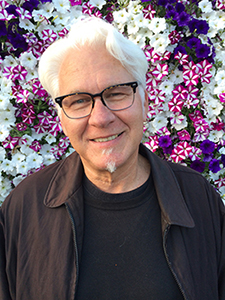
The news reports were still coming daily – a decade after 9/11, the United States military continued its efforts abroad in earnest. But it wasn’t the reports about the conflicts overseas that concerned Steven Orr the most. More and more, he heard stories of what service members were bringing home with them from abroad – mental health issues and physical disabilities more severe than in any past war. It was clear many injured veterans were not getting the care they needed upon returning home, and Steven, a licensed professional counselor in Eugene, Oregon, knew he had to do something.
When he began his private counseling practice, Steven already knew about the Returning Veterans Project (RVP) – a trusted source where veterans, service members, and their families in Oregon and Southwest Washington can receive free, confidential mental and physical health services. In 2012, Steven began building one hour a week into his work schedule to specifically provide free counseling sessions to veterans who needed support. “I wasn’t sure if I was just a lonely satellite out there that nobody would find,” Steven says about those first few weeks as an RVP Volunteer Provider. “But I was surprised how many people contacted me. People were paying attention.”
Steven quickly began to feel supported by RVP. Even before his first client, an RVP orientation highlighted the diverse challenges that come with military service. And later Steven attended an RVP training to hone just a few of his tools for meeting the unique needs of the veteran and military community.
When Military Culture and Stereotypes Hinder Healing
Fast forward eight years. Steven has donated hundreds of hours of free counseling services to veterans needing support for a myriad of challenges. From addressing survivor’s guilt to reconciling broken relationships, Steven helps veterans connect the threads of their lives from before, during, and after military service. And, there are many common themes Steven sees among his RVP Clients. The veterans he supports are often driven by the deep-seated ideals of loyalty, service, dedication, and responsibility instilled in them by extensive military training. Yet, these very qualities that help ensure survival in war zones may prevent veterans from asking for help, making it extremely difficult to heal the visible and invisible wounds of war.
Steven has seen firsthand how a veteran’s loyalty to their comrades complicates their healing process. In some cases, veterans worry their own, personal struggles would reflect negatively on their comrades. So, many veterans keep their challenges hidden rather than risk unintentionally harming the reputation of their peers. To some degree, the veterans Steven supports have been able to overcome this barrier. However, Steven still observes hesitation in some of his RVP Clients: “You could see it pulling them in a variety of directions. There was so much dedication that their military training would block their ability to reach out and open up.”
It’s fascinating to begin to work with those stories and to realize that there was so much behind everybody’s experience.
Steven and other RVP Volunteers see the lives of veterans through a unique window that defies common American stereotypes – generalizations that often convince us to see all military members as rigid, prone to violence, and blindly following orders from others. From his vantage point, Steven see the whole person, which inevitably reveals that common stereotypes don’t match the real-life experience of veterans and service members. “It’s fascinating to begin to work with those stories and to realize that there was so much behind everybody’s experience,” Steven says.
The veterans aren’t the only ones who are impacted by their military service. Military families, who also deal with stereotypes and misconceptions from the civilian world, experience moments of great compassion and moments of feeling completely misunderstood. Two different lives and two different stories (and more if they have children) play out when a service member is away on a deployment.
Sometimes, the spouse and family members who remain behind believe that if they are compassionate and understanding enough, they’ll be able to survive the strain on relationships during deployments and when reunited. But oftentimes, military families reach a stuck point and feel like they don’t know what to do anymore or that whatever is wrong never seems to improve.
Steven sees his RVP Clients working hard on family relationships. “It’s sort of like, the river gets damned up, but as soon as you let it go you get this huge rush.” Once they begin to understand and be open with each other, their family situation can improve. Rather than clashing, they are able to step back and learn how to work together as a family again.
A New Perspective
Steven notes volunteering with RVP not only helps change veterans’ lives, but it has changed his, too. It turns out, Steven’s father was a World War II veteran who didn’t receive the treatment he needed to heal the wounds related to military service. After years of supporting RVP Clients, Steven now sees how his family’s military experience shaped his own life and desire to serve veterans. “Volunteering with RVP showed me an interplay of personal stories that I wasn’t aware of in terms of the impact of service on the individuals and the family group. And it helped me understand the kinds of things that I might have experienced growing up. It expanded my compassion, empathy, and understanding.”
About Steven Steven Orr is a Licensed Professional Counselor and Addictions Specialist in Eugene, Oregon. He has treated addiction and trauma-related issues for many years using Art Therapy, Cognitive Behavioral Therapy, and Psychodynamics. Steven has been a member of the RVP network since 2012.
Share this online:


