Supporting Caregivers and Families of Those Living with PTSD
Monday, July 20, 2026
10:00AM - 11:30AM PDT
This Presentation will focus on Stress First Aid (SFA), a practical model informed by and designed for caregivers of veterans with PTSD. By addressing both caregiver and veteran needs, SFA can prevent burnout, strengthens family resilience, and improves treatment outcomes.
Location: Online
Continuing Education: 1.5 (Applied through NASW Oregon)
Cost: Free to RVP Volunteers and partnering clinics who are listed in our directory and who have an active MOU with RVP. We also welcome our OR/WA Vet Center and VA staff to join for free. All other community providers, please pay $29 (or apply to become a RVP volunteer provider).
Who Should Attend:
This training is open to all RVP Volunteer Providers, social workers, mental health counselors, and community providers.
What You Will Learn:
Families of veterans living with PTSD often have a mixed experience of love and joy for their family member with PTSD combined with potential secondary traumatic stress, emotional exhaustion, social isolation, financial strain, and relational difficulties. This presentation introduces the Stress First Aid (SFA) model, a practical, evidence-based framework originally developed for high-stress occupations and adapted for caregivers of Veterans with PTSD. Participants will learn the seven core actions through real caregiver strategies and insights. SFA promotes disciplined self-care while simultaneously supporting the veteran. It emphasizes peer connection, contingency planning, trigger management, calming techniques, and rebuilding confidence through small triumphs and shared values. By addressing both caregiver and veteran needs, SFA prevents burnout, strengthens family resilience, and improves treatment outcomes. Attendees will gain actionable tools for self-care, safety planning, emotional regulation, building social support, and restoring hope and competence, empowering families to better support their veterans while protecting their own well-being. Join us to discover how these simple yet powerful practices can strengthen resilience and improve quality of life for the entire family.
Learning Objectives:
- Describe the Stress Continuum Model and recognize early signs of stress reactions in themselves and veterans with PTSD.
- Explain the seven core actions of the Stress First Aid (SFA) model (Check, Coordinate, Cover, Calm, Connect, Competence, and Confidence).
- Identify the unique emotional, practical, and relational challenges faced by families and caregivers of veterans with PTSD.
- Apply practical SFA strategies for self-care, safety planning, emotional regulation, and building social support.
- Develop personalized approaches to enhance personal resilience and more effectively support veterans while reducing caregiver burnout.
CE Faculty
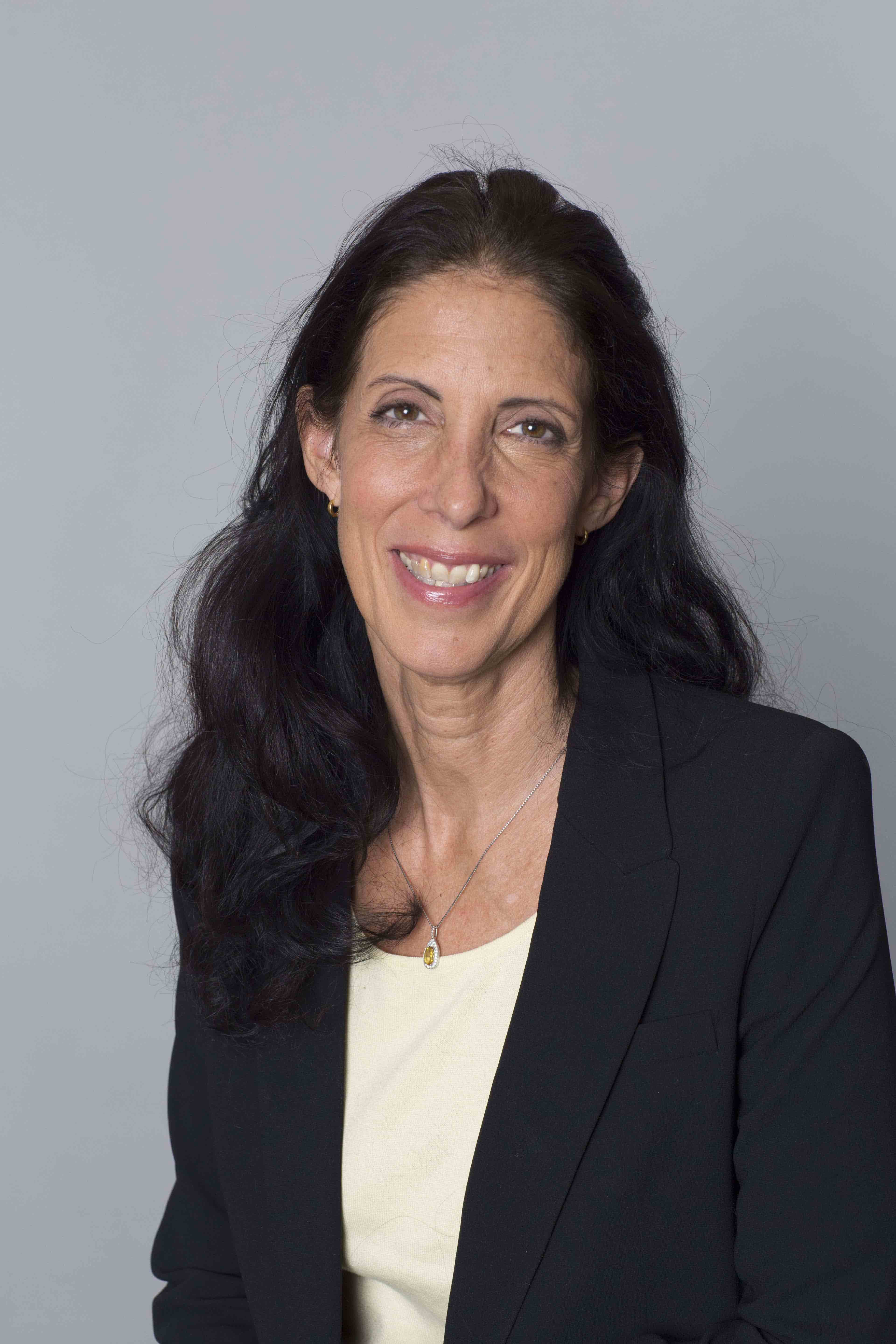
Patricia Watson, Ph.D. has been a licensed psychologist for the National Center for PTSD since 1998. Prior to that, she was an active duty Navy psychologist working with adults and children/families for eight years. Her education includes a doctoral degree in clinical psychology, and a postgraduate fellowship in pediatric psychology. She has been involved in extensive science-into-practice translation, intervention development, and program implementation, including:
- Co-authoring the Psychological First Aid (PFA) Field Guide and the Skills for Psychological Recovery (SPR) Manual, designed to intervene in the immediate and intermediate phases after disasters and terrorism.
- Co-authoring versions of Stress First Aid self-care/coworker support models for military, law enforcement, forest firefighters, nurses, probation officers, and rail workers, as well as public-facing versions for patients, clients, and families.
- Co-editing three books on disaster behavioral health interventions, and numerous publications and courses on disaster mental health, combat and operational stress, military culture, early intervention, and resilience.
Want to attend our trainings for free? Become an RVP Volunteer and gain access to free CE trainings and other great benefits! Learn more about volunteering >
Contact: Jennifer Keeling, RVP Director of Retention and Recruitment .(JavaScript must be enabled to view this email address)
503-954-2259
Share this online:


