Trauma-Focused Treatment: EMDR and CPT
Monday, October 12, 2026
1:00PM - 2:00PM PDT
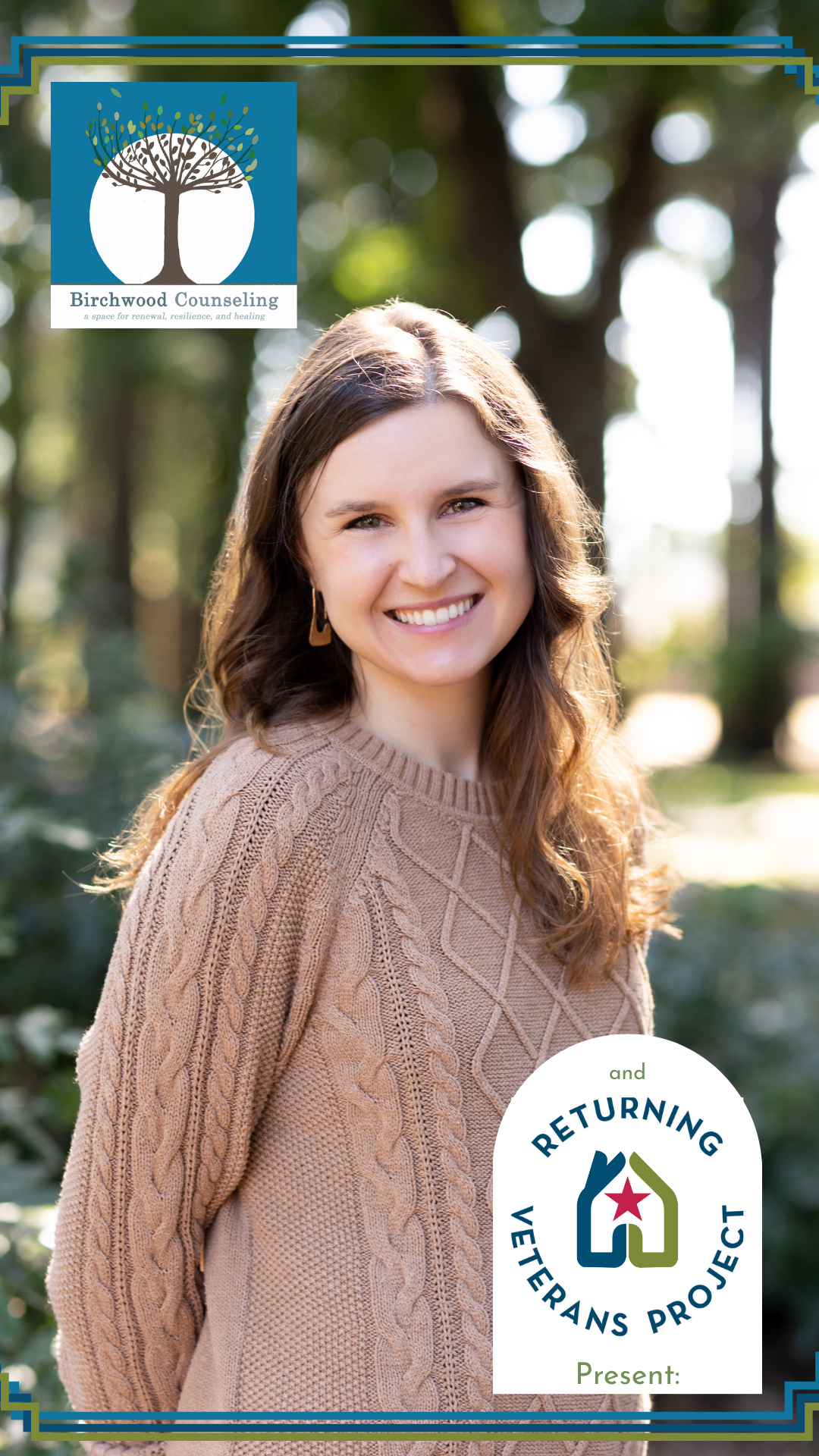
This presentation by Emily Lang, LCSW will provide an introduction of two evidence-based, trauma-focused treatments: Eye Movement Desensitization and Reprocessing (EMDR) and Cognitive Processing Therapy (CPT).
Location: Online
Continuing Education: 1 (Applied through NASW Oregon)
Cost: Free to RVP Volunteers and partnering clinics who are listed in our directory and who have an active MOU with RVP. We also welcome our OR/WA Vet Center and VA staff to join for free. All other community providers, please pay $29 (or apply to become a RVP volunteer provider).
Who Should Attend:
This training is open to all RVP Volunteer Providers, social workers, mental health counselors, and community providers.
What You Will Learn:
Participants will learn how EMDR and CPT can be appropriate treatment options for trauma. The presentation will highlight similarities and differences between the approaches, considerations for selecting an appropriate treatment, and how these structured therapies can support recovery from PTSD and trauma-related symptoms.
CPT is particularly focused on the meaning a person has assigned to the trauma. The therapist helps the client identify “stuck points”, which are persistent beliefs that keep the person trapped in guilt, shame, fear, anger, or avoidance. Once stuck points are identified, the client and therapist will use a structured 10-12 week approach that examines whether those beliefs are accurate or helpful and if not, how to find alternative beliefs.
EMDR is particularly focused on the traumatic memories and how they are stored in the brain and experienced in client’s life presently. Rather than focusing on whether a belief is accurate or helpful, the therapist guides the client through structured reprocessing of the memory while using bilateral stimulation. The goal is for the memory to become less vivid, distressing, and emotionally activating while more adaptive information becomes accessible to the client.
Both CPT and EMDR are trauma-focused, evidence-based treatments for PTSD. Which approach is appropriate for each client will be unique and tailored to the client’s preference and the therapists recommendation.
Learning Objectives:
- Describe the core components of CPT and EMDR as evidence-based, trauma-focused treatments for PTSD and trauma-related symptoms.
- Differentiate CPT and EMDR with regard to treatment rationale, therapeutic techniques, trauma processing, cognitive restructuring, and the therapist’s role.
- Identify common trauma-related clinical presentations and recognize when CPT or EMDR may be an appropriate treatment option.
- Compare practical considerations in selecting between CPT and EMDR, including client preferences, readiness for trauma processing, symptom presentation, and treatment goals.
- Recognize common clinical considerations and challenges when implementing trauma-focused treatment and identify situations in which additional assessment, stabilization, consultation, or referral may be warranted.
- Apply knowledge of both approaches to clinical decision-making by developing an initial rationale for selecting CPT, EMDR, or another evidence-based trauma treatment for a given client presentation.
CE Faculty
Emily Lang, LCSW, is a licensed clinical social worker who provides evidence-based treatment for PTSD, anxiety, depression, and obsessive-compulsive disorder (OCD). Her approach combines warmth and compassion with a direct, focused, and collaborative style.
Emily primarily uses evidence-based cognitive behavioral approaches, including Cognitive Processing Therapy (CPT) and Exposure and Response Prevention (ERP). These structured, skills-based treatments are typically time-limited, often lasting approximately 12–16 weeks. She also provides Eye Movement Desensitization and Reprocessing (EMDR), an extensively researched trauma-focused psychotherapy designed to help people process distressing experiences and reduce trauma-related symptoms.
Emily is particularly interested in helping clients explore how past experiences have shaped their thoughts, feelings, and behaviors. Together, she works with clients to identify patterns that may no longer be serving them and develop new ways of responding that align with their values and goals.
In addition to individual therapy, Emily has training in trauma-informed yin and restorative yoga and facilitates a weekly virtual yoga group. Across her work, she aims to help clients leave treatment with practical tools and skills they can continue to use in their lives beyond therapy.
Emily earned her Master of Social Work from the University of Southern California in 2022 and is licensed in Oregon
Want to attend our trainings for free? Become an RVP Volunteer and gain access to free CE trainings and other great benefits! Learn more about volunteering >
Contact: Jennifer Keeling, RVP Director of Retention and Recruitment .(JavaScript must be enabled to view this email address)
503-954-2259
Share this online:


